Ladakh is not a destination you can visit on a whim. Passes close, lakes freeze and temperatures can swing from pleasant to punishing within hours. That is why choosing the best time to visit Ladakh matters as much as booking your stay.
Some travellers dream of turquoise lakes and open highways. Others want frozen rivers and snow draped monasteries. Both are possible, just in different seasons. This guide from High Mountains explains what each month offers, so you can match the season to the trip you want.
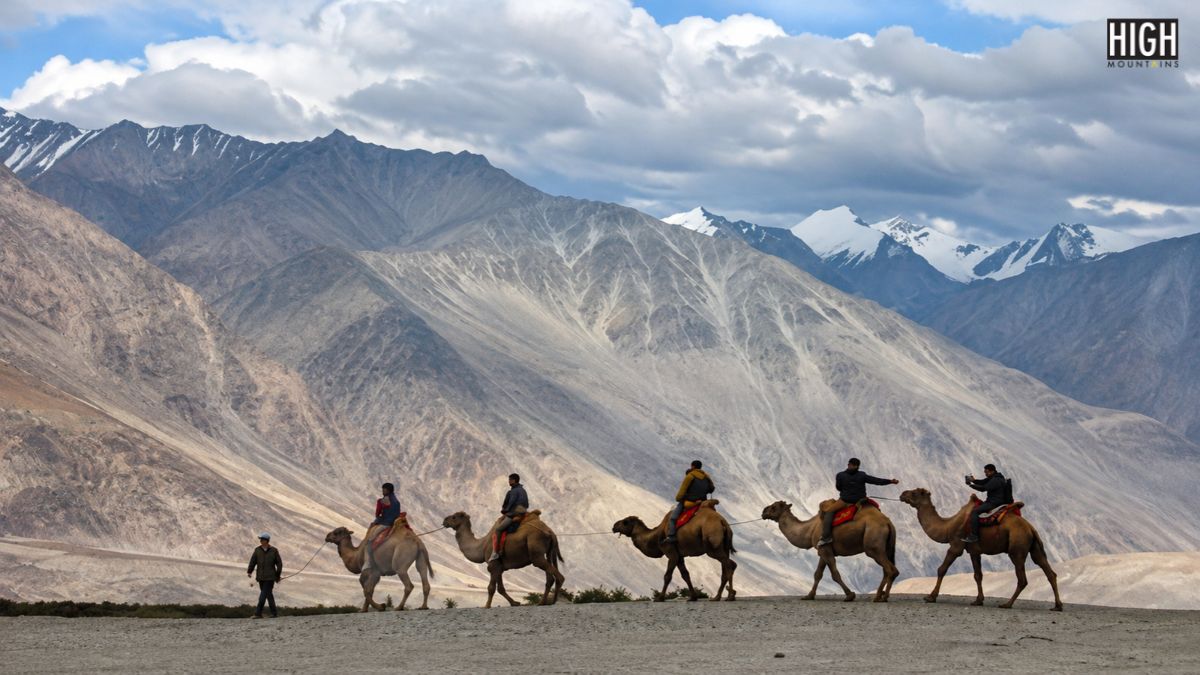
For most travellers, the best time to visit Ladakh is from May to September. Roads are open, days are sunny and every major attraction is within reach. Here is how the year breaks down:
The best month to visit Ladakh depends on what you value most.
May and June bring warm days, clear skies and snow-lined roads that look stunning. Leh feels comfortable during the day, though nights stay chilly. The Manali Leh highway usually opens between late May and June, depending on snow clearance.
July and August are green, lively and ideal for trekking and rafting. Ladakh sits in a rain shadow, so it stays largely dry, but heavy rain elsewhere can trigger landslides on the approach roads. Always check road status before you travel.
September is a favourite among photographers and first-timers alike. Skies are clear, crowds thin out and the valleys turn golden. If you want the best balance of weather, access and peace, this is often the safest pick.
October suits travellers who don’t mind the cold. It is the start of the shoulder season, so expect lower prices and the first snow on the passes.
Most sights are at their best between June and September, when passes are open and temperatures are manageable.
Because the best time for Ladakh sightseeing overlaps with peak season, book hotels and permits early for July and August.
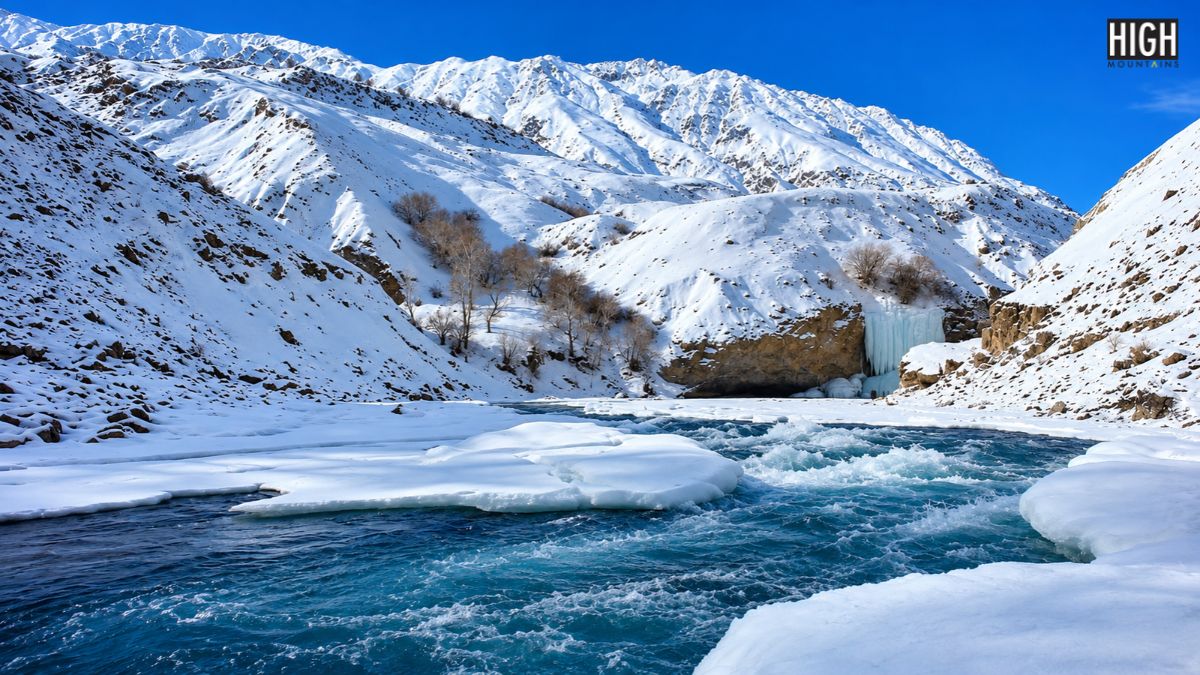
Ladakh in winter is a completely different world. Leh sees temperatures between −15°C and 5°C in the coldest months, and places like Drass and Pangong go lower. Snowfall usually begins around November and continues through February, although high passes can see snow as early as October.
The rewards are real: frozen lakes, empty monasteries, star-filled skies and a chance of spotting snow leopards near Hemis National Park between January and March. The Chadar Trek, a multi-day walk on the frozen Zanskar River, typically runs from mid-January to mid-February when the ice is stable. It is only for experienced, well-prepared trekkers, and dates depend on ice conditions.
The challenges are practical. The Manali–Leh and Srinagar–Leh highways stay closed for most of winter, so flying to Leh is the reliable way in. Many hotels shut, water and power can be unreliable, and the cold demands serious layering. Winter rewards travellers who value solitude over convenience.
These are approximate temperatures for Leh. Nubra, Pangong and Tso Moriri are colder, especially at night.
Ready to see Ladakh at its best? Whether you picture summer road trips or a snowy winter escape, High Mountains can help you build the right itinerary. Explore our Ladakh tour packages and start planning your next adventure today.
Ans: May to September is best for most travellers, with open roads and pleasant weather. Choose winter only if snow and solitude are your priority.
Ans: June and September are the most reliable. June offers full access, while September brings clear skies and fewer crowds.
Ans: Yes, by flight. Expect extreme cold, limited facilities and closed highways, so plan carefully and pack well.
Ans: High passes can see snow from October, while Leh usually gets snowfall between November and February. January and February are the snowiest months.
Ans: Yes, from mid-June to mid-September. It suits riders with high-altitude experience, so acclimatise first and carry spares.
Ans: Seven to ten days is ideal. Six days is the minimum to cover Leh, Nubra and Pangong with proper acclimatisation.
