There are winter holidays, and then there is Spiti Valley in winter. Imagine waking up to snow-covered mountains, walking through quiet Himalayan villages, watching frozen rivers and enjoying a warm cup of chai while the temperature outside drops below zero. Sounds magical, doesn’t it?
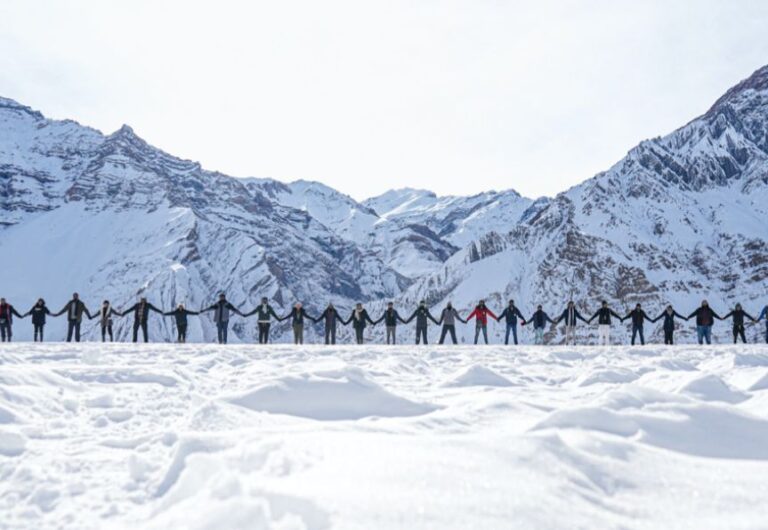
Located in the cold desert region of Himachal Pradesh, Spiti Valley transforms into a completely different world during winter. The rugged mountains turn white, traditional mud houses wear a blanket of snow, and familiar roads become some of the most beautiful winter landscapes in the Himalayas.
Unlike the busy summer season, a winter Spiti trip offers a quieter and more personal travel experience. You get to witness the region’s raw beauty, experience local hospitality and discover a side of the mountains that many travellers never get to see.
However, winter in Spiti is not just about beautiful photographs. Extremely low temperatures, changing road conditions and limited facilities make proper planning essential.
If you’re dreaming of exploring this winter wonderland, here’s everything you should know before planning your Spiti Valley winter trip.
Table of Contents
- Why Visit Spiti Valley in Winter?
- What Makes Winter Spiti Trip So Special?
- Best Places to Visit in Winter Spiti Trip
- How to Reach Spiti Valley in Winter
- Best Time for a Winter Spiti Trip
- What Is the Weather Like?
- What to Pack for Winter Spiti Trip
- Important Travel Tips
- Frequently Asked Questions
1. Why Visit Spiti Valley in Winter?
Most travellers visit Spiti during summer when the roads are relatively accessible and the weather is more comfortable. But winter offers a completely different experience.
The region becomes quieter, the landscapes look extraordinary and the villages offer a glimpse into the traditional Himalayan lifestyle during the coldest months.
Here are a few reasons why winter deserves a place on your travel bucket list:
- Snow-covered landscapes: Experience mountains, villages and valleys transformed by snowfall.
- Peaceful surroundings: Enjoy a quieter travel experience away from the usual tourist crowds.
- Unique village life: Discover how local communities adapt to extreme winter conditions.
- Photography opportunities: Capture frozen rivers, snow-covered monasteries and dramatic mountain scenery.
- Authentic experiences: Spend time with local hosts and experience the warmth of Himalayan hospitality.
A winter Spiti trip is ideal for travellers who appreciate nature, adventure and experiences beyond ordinary sightseeing.
2. What Makes Winter Spiti Trip So Special?
Winter changes almost everything about Spiti.
The famous cold desert landscape takes on a new appearance as snow covers the mountains and traditional villages. Rivers and streams can freeze, while the surrounding valleys become incredibly peaceful.
One of the most memorable experiences is simply spending time in a traditional Spitian village. You can enjoy local food, interact with residents and understand how people manage daily life during extremely cold weather.
The nights are equally special. With relatively little light pollution in many remote areas, the clear winter sky can offer beautiful stargazing opportunities when weather conditions allow.
However, remember that winter temperatures can fall to around -20°C in parts of the region, making suitable clothing, accommodation and transportation essential.
3. Best Places to Visit During a Winter Spiti Trip
Every village in Spiti has its own charm, but some destinations are particularly memorable during winter.
Kaza – The Heart of Spiti
Kaza is the main town and an important base for exploring the valley. It offers access to local markets, monasteries and nearby villages. It is also a useful place to understand local road and weather conditions before planning excursions.
Key Monastery – A Beautiful Himalayan Landmark
Located on a hill overlooking the Spiti River, Key Monastery is one of the region’s most recognisable landmarks. Its traditional architecture and dramatic setting become even more beautiful against a snowy mountain backdrop.
Kibber – A Snow-Covered Mountain Village
Kibber is known for its high-altitude location, traditional houses and spectacular mountain scenery. Winter is also associated with snow leopard tracking opportunities in the wider region, although sightings are never guaranteed and wildlife should always be observed responsibly.
Langza – The Village Beneath the Mountains
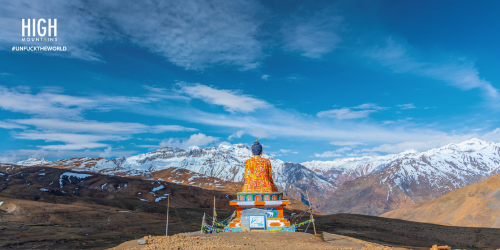
Famous for its giant Buddha statue and fossil-rich surroundings, Langza offers beautiful views of the surrounding Himalayan landscape. During winter, snow adds a completely different charm to the village.
Hikkim – Home to a Famous Post Office
Hikkim is widely known for its high-altitude post office. Visiting the village offers an interesting cultural experience and an opportunity to send a postcard from the mountains, subject to seasonal access and postal services.
Tabo – The Ancient Monastery Village
Tabo is home to the famous Tabo Monastery, an important centre of Buddhist heritage. Its historic murals, traditional architecture and peaceful surroundings make it a fascinating stop during a winter journey.
Not every destination will be accessible every day during winter. Always confirm local road conditions before planning excursions from Kaza.
4. How to Reach Spiti Valley in Winter
This is one of the most important things to understand before planning your trip.
Unlike summer, when travellers may be able to explore both major approaches to Spiti, winter road connectivity is more restricted.
The Shimla–Kinnaur route is generally the main road approach to Kaza during winter. The journey passes through scenic locations such as Narkanda, Rampur, Kalpa, Nako and Tabo before reaching Kaza.
The Manali–Kaza route via Kunzum Pass generally remains closed during winter because of heavy snowfall.
According to the Lahaul and Spiti district administration, the Shimla–Kinnaur route provides an almost all-weather connection, but it remains subject to weather and road conditions. https://hplahaulspiti.nic.in/how-to-reach/
For a winter Spiti road trip:
- Keep additional travel days for unexpected delays.
- Travel in suitable vehicles with experienced mountain drivers.
- Avoid unnecessary night driving.
- Check official road updates before every major journey.
- Keep your itinerary flexible.
The journey can be challenging, but careful planning makes it easier to manage.
5. What Is the Best Time for a Winter Spiti Trip?
Winter in Spiti generally extends from November to March, although weather conditions vary throughout the season.
November: Temperatures begin dropping significantly, and early snowfall can transform the landscape. Winter conditions may not be fully established everywhere.
December: A good period for travellers looking for winter landscapes, although snowfall and road accessibility remain unpredictable.
January: One of the coldest months, with freezing temperatures and the possibility of heavy snowfall.
February: Winter landscapes continue to dominate, but road disruptions and extremely cold conditions require careful planning.
March: Temperatures may gradually improve, although winter conditions can continue in higher villages.
The best time depends on the snowfall you want to experience, your comfort with extreme cold and the prevailing road conditions.
6. What Is the Weather Like in Winter Spiti Trip?
Winter in Spiti is extremely cold, especially during December, January and February.
Temperatures can fall to approximately -20°C in some locations, while nights and early mornings can feel particularly harsh.
Unlike regular hill stations, Spiti is a high-altitude cold desert where facilities and heating arrangements can be limited.
Before booking accommodation, ask about room heating, hot water availability, insulated bedding and access to basic facilities.
Don’t underestimate the cold. Even a short outdoor walk can become uncomfortable without proper winter clothing.
7. What to Pack for Your Winter Spiti Adventure
Packing correctly can make a huge difference to your experience.
Here are some essentials you should carry:
- Heavy insulated winter jacket.
- Thermal innerwear and warm sweaters.
- Waterproof gloves and woollen socks.
- Comfortable winter shoes with good grip.
- Woollen caps and scarves.
- Sunglasses and high-SPF sunscreen.
- Moisturiser and lip balm.
- Personal medicines and basic first-aid supplies.
- Power bank and charging essentials.
- Reusable water bottle.
Layering your clothes is generally more effective than depending on a single heavy jacket.
8. Important Tips Before Planning Your Winter Spiti Trip
Winter Spiti is beautiful, but it requires responsible travel planning.
- Acclimatise properly: Spend adequate time adjusting to the altitude before heading towards higher villages.
- Choose accommodation carefully: Confirm heating arrangements and winter availability before booking.
- Follow road advisories: Never travel on restricted or unsafe roads.
- Carry essential supplies: Remote areas may have limited shops and facilities during winter.
- Respect local communities: Understand that winter is a demanding season for residents.
- Keep buffer days: Snowfall and road closures can affect your itinerary.
- Travel with experienced professionals: Winter mountain travel requires local knowledge and suitable vehicles.
For updated information, refer to the official Lahaul and Spiti District Road Status before departure.
Final Thoughts: Experience the Mountains Differently with Winter Spiti
A winter Spiti trip is not just another holiday. It is an opportunity to experience the Himalayas in their rawest and most beautiful form.
From the peaceful villages of Kibber and Langza to the historic beauty of Key Monastery and Tabo, every destination offers a different glimpse into life in the mountains.
You might experience freezing temperatures, changing road conditions and unexpected travel delays, but these are also part of what makes winter Spiti such a distinctive adventure.
At High Mountains, we believe that some journeys are meant to be experienced rather than simply photographed. If you’re looking for something beyond regular holiday destinations, winter Spiti could be your next unforgettable Himalayan adventure.
Pack your warmest layers, embrace the mountain spirit and get ready to experience the magical world of Spiti in winter!
Frequently Asked Questions (FAQs)
1. Is Spiti Valley worth visiting in winter?
Yes. Spiti offers beautiful snow-covered landscapes, peaceful villages, ancient monasteries and unique winter experiences. However, it requires careful preparation and flexibility.
2. Which is the best month to visit Spiti in winter?
December, January and February offer classic winter conditions, but snowfall, road accessibility and temperatures vary each year.
3. Is the Manali route open to Spiti in winter?
The Manali–Kaza route via Kunzum Pass generally closes during winter due to heavy snowfall. The Shimla–Kinnaur route is generally the main winter road approach.
4. How cold does Spiti get during winter?
Temperatures can drop to approximately -20°C in some parts of Spiti, particularly during the coldest winter months.
5. Can beginners visit Spiti during winter?
Yes, but winter Spiti is not an ordinary beginner-friendly holiday. Travellers should choose a properly planned trip with experienced local support and suitable accommodation.
6. What should I wear during a winter Spiti trip?
Carry thermal clothing, insulated jackets, waterproof gloves, woollen socks, warm shoes and multiple layers to protect yourself from extreme cold.