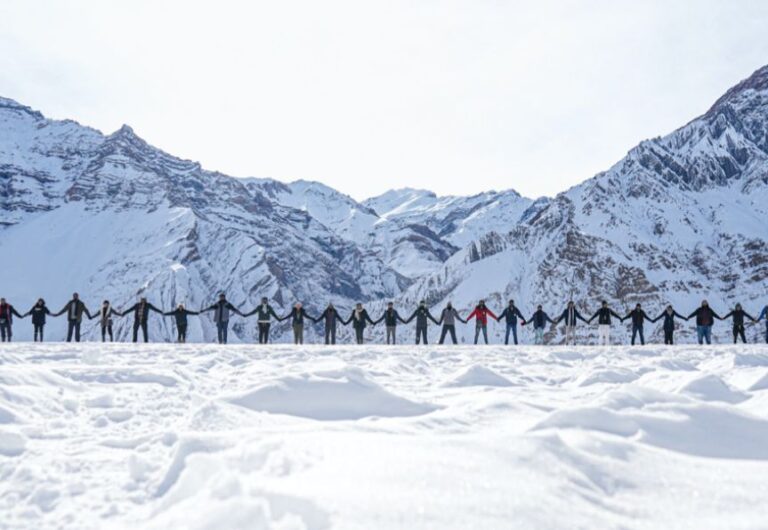
There are mountains you admire from a distance, and then there are mountains you experience one step at a time. Ladakh belongs to the second category. With its dramatic Himalayan landscapes, remote villages, rugged mountain passes and breathtaking valleys, this region offers some of the most memorable trekking experiences in India.
Imagine walking along ancient mountain trails, crossing crystal-clear streams, camping beneath a sky full of stars and waking up to spectacular views of snow-covered peaks. This is what makes trekking in Ladakh more than just an adventure. It is an opportunity to disconnect from everyday life and experience the Himalayas at their most extraordinary.
Whether you’re an experienced mountaineer or someone looking to experience your first Himalayan trek, Ladakh has routes that offer different levels of challenge, scenery and adventure.
So, lace up your trekking boots as we explore seven incredible Ladakh treks that deserve a place on every adventure lover’s bucket list.
Table of Contents
- Why Ladakh Is a Trekker’s Paradise
- Markha Valley Trek
- Chadar Trek
- Sham Valley Trek
- Lamayuru to Alchi Trek
- Stok Kangri Region Trek
- Nubra Valley Trekking Experiences
- Rumtse to Tso Moriri Trek
- Best Time for Trekking in Ladakh
- Essential Tips for a Safe Trek
1. Why Ladakh Is a Trekker’s Paradise
Ladakh Treks offers a trekking experience unlike many other Himalayan destinations. Its high-altitude desert landscape combines barren mountains, colourful valleys, ancient monasteries and remote settlements.
Unlike treks surrounded entirely by dense forests, trekking in Ladakh often takes you through wide-open mountain landscapes where every turn reveals a different view.
Another fascinating aspect is the opportunity to experience local culture. Many trekking routes pass through traditional villages where travellers can observe local lifestyles, visit monasteries and interact with mountain communities.
From challenging multi-day expeditions to relatively accessible village trails, Ladakh offers something for different types of adventure enthusiasts. However, its high altitude means proper acclimatisation and preparation are essential for every trek.
2. Markha Valley Trek: A Classic Himalayan Adventure
The Markha Valley Trek is among the most well-known trekking experiences in Ladakh Treks.
Located within the Hemis region, this beautiful route takes trekkers through remote villages, dramatic mountain landscapes, river crossings and traditional settlements.
The trail offers spectacular views of the surrounding Himalayan ranges and an opportunity to experience Ladakh’s rural lifestyle.
Some highlights include:
- Exploring traditional villages such as Markha and Hankar.
- Crossing mountain streams and scenic valleys.
- Enjoying beautiful views of Kang Yatse.
- Experiencing traditional homestays and local hospitality.
- Walking through the remarkable landscapes of Hemis National Park.
The trek generally takes around 5–8 days, depending on the route, starting point and itinerary. It is considered a moderate to challenging high-altitude trek.
Best for: Experienced beginners with suitable preparation and trekkers looking for a classic multi-day Himalayan adventure.
3. Chadar Trek: Walking on a Frozen River
If there is one trekking experience that feels completely different from an ordinary Himalayan adventure, it is the Chadar Trek.
Located in the Zanskar region, this famous winter expedition follows sections of the frozen Zanskar River. During winter, extremely low temperatures transform the river into a sheet of ice, creating a remarkable landscape surrounded by towering canyon walls.
Trekkers walk across frozen sections of the river while navigating changing ice conditions, rocky riverbanks and freezing temperatures.
The experience is unforgettable, but it is also physically demanding and requires specialised preparation.
Important highlights include:
- Walking through the frozen Zanskar gorge.
- Experiencing dramatic winter landscapes.
- Witnessing impressive ice formations.
- Understanding the traditional winter travel routes of Zanskar.
Best for: Experienced adventure enthusiasts who are physically prepared for extreme winter conditions.
Chadar Trek conditions are highly dependent on weather and ice stability. It should only be undertaken with qualified local support and after checking official permissions and safety advisories.
4. Sham Valley Trek: A Beautiful Introduction to Ladakh
Not every Himalayan trek needs to be extremely challenging. The Sham Valley Trek, often called the Baby Trek of Ladakh Treks, is a wonderful introduction to the region’s trekking culture.
This route passes through picturesque villages, traditional homes, small monasteries and beautiful mountain landscapes.
Unlike some longer high-altitude expeditions, the Sham Valley route offers relatively shorter walking days, making it attractive to beginners who have prepared for the altitude.
Some places along the route include:
- Likir
- Yangthang
- Hemis Shukpachan
- Tingmosgang
- Temisgam
Trekkers can enjoy village hospitality, explore traditional architecture and experience the peaceful atmosphere of rural Ladakh.
Best for: Beginners, cultural explorers and travellers looking for a relatively accessible multi-day trek.
5. Lamayuru to Alchi Trek: Discover Ladakh Treks Beyond the Roads
For travellers who enjoy combining adventure with cultural exploration, the Lamayuru to Alchi route offers a fascinating experience.
The journey passes through remote mountain landscapes, traditional villages and ancient Buddhist cultural sites.
Lamayuru is famous for its unusual Moonland formations and historic monastery, while Alchi is known for its remarkable Buddhist temple complex and traditional artwork.
Along the way, trekkers can experience:
- Unique geological landscapes around Lamayuru.
- Remote Himalayan villages.
- Beautiful mountain trails and river valleys.
- Traditional Ladakhi culture.
- Historic monasteries and religious heritage.
The route and duration can vary depending on the chosen trail and itinerary, so proper local planning is important.
Best for: Culture enthusiasts, photography lovers and trekkers interested in combining history with mountain exploration.
6. Stok Kangri Region: For Serious Mountain Adventure
The Stok Kangri region is well known among mountaineering and trekking enthusiasts because of its dramatic mountain scenery and challenging high-altitude terrain.
Stok Kangri itself was historically a popular trekking peak, but access and climbing permissions can change. It should not be treated as an ordinary trekking route or assumed to be open for summit attempts.
The surrounding Stok region, however, offers beautiful mountain trails and opportunities to explore the landscapes near Stok village and the surrounding valleys.
Expect rugged terrain, spectacular Himalayan views and demanding elevation changes.
Best for: Experienced trekkers interested in high-altitude mountain adventures and properly authorised routes.
Always verify current climbing restrictions, access permissions and local conditions before planning a Stok Kangri expedition.
7. Nubra Valley: Trekking Through Beautiful Mountain Villages
Nubra Valley is usually famous for its sand dunes, Bactrian camels and scenic road journeys. However, the region also offers interesting opportunities for village walks and guided trekking experiences.
Explore traditional settlements, discover local trails and enjoy the contrast between green agricultural areas and the surrounding cold-desert mountains.
Turtuk and other villages in the wider Nubra region offer particularly interesting cultural experiences.
Depending on your route, you can enjoy:
- Beautiful views of the Karakoram landscape.
- Traditional village walks.
- Local cultural experiences.
- Scenic photography opportunities.
- Peaceful trails away from busy tourist areas.
Best for: Travellers who enjoy combining light trekking, cultural exploration and scenic Himalayan experiences.
8. Rumtse to Tso Moriri Trek: An Extraordinary High-Altitude Expedition
For those looking for a more demanding trekking experience, the Rumtse to Tso Moriri route is an excellent expedition to research.
This trek takes you through the vast Changthang Plateau, offering dramatic mountain passes, remote valleys and spectacular high-altitude landscapes.
The journey passes through areas of remarkable natural beauty and offers glimpses of the traditional lifestyle of the Changpa nomadic community.
One of the biggest highlights is reaching Tso Moriri, a stunning high-altitude lake surrounded by mountains.
The trek generally requires several days and involves crossing multiple high passes, making it suitable only for well-prepared trekkers.
Best for: Experienced high-altitude trekkers seeking remote landscapes and a challenging multi-day expedition.
9. Best Time for Trekking in Ladakh Treks
Choosing the right season is essential when planning Ladakh treks.
June to September: This is generally the main season for many summer trekking routes, including Markha Valley, Sham Valley and other high-altitude trails. Weather and route accessibility still vary.
July to August: Many established trekking routes offer favourable seasonal access, although afternoon rain and changing mountain weather should be considered.
September: A beautiful period for trekking, with crisp weather and autumn colours. Temperatures can fall significantly, especially at night.
January to February: The Chadar Trek is associated with the winter season, when the Zanskar River may freeze sufficiently for a guided expedition. Actual conditions vary each year, and the trek must never be attempted without expert guidance.
The best season depends on the particular route, current conditions and your trekking experience.
10. Essential Tips Before Planning Ladakh Treks
Trekking in Ladakh requires more preparation than an ordinary mountain holiday because of the region’s high altitude and remote terrain.
Keep these essential tips in mind:
- Acclimatise properly: Spend at least 48 hours in Leh after arriving before travelling to higher-altitude areas.
- Build physical fitness: Prepare with regular walking, cardio and strength training before your trek.
- Carry suitable clothing: Pack thermal layers, windproof jackets, trekking shoes, gloves and sun protection.
- Stay hydrated: Drink adequate water and avoid alcohol during initial acclimatisation.
- Choose experienced guides: Remote trails require proper route knowledge and local support.
- Carry emergency essentials: Keep a first-aid kit, personal medicines and suitable communication arrangements.
- Respect nature: Avoid littering and follow responsible trekking practices.
Altitude sickness can affect even physically fit travellers. Do not ignore symptoms such as persistent headaches, nausea, dizziness or unusual breathlessness. Stop ascending and seek medical assistance if symptoms develop.
Final Thoughts: Every Trail Has a Story to Tell
Ladakh is not just a destination for road trips and sightseeing. It is a place where adventure begins beyond the highways, and every trekking trail introduces you to a different side of the Himalayas.
From the beautiful villages of Markha Valley to the frozen landscapes of the Chadar Trek, each experience offers something unique.
Whether you are taking your first steps into Himalayan trekking or preparing for a challenging high-altitude expedition, Ladakh has a trail waiting to be explored.
At High Mountains, we believe that the best adventures are the ones that challenge you, introduce you to new experiences and leave you with stories worth sharing.
So, prepare your backpack, respect the mountains and get ready to discover the incredible trekking experiences of Ladakh.
Your next Himalayan adventure begins with one step!
Frequently Asked Questions (FAQs)
1. Which are the best treks in Ladakh Treks?
Markha Valley, Chadar, Sham Valley, Lamayuru to Alchi and Rumtse to Tso Moriri are among the region’s notable trekking experiences.
2. What is the best time for trekking in Ladakh?
June to September is generally suitable for many summer treks. The Chadar Trek is a specialised winter expedition, dependent on suitable ice conditions.
3. Is trekking in Ladakh suitable for beginners?
Yes. Routes such as Sham Valley can be suitable for beginners with proper preparation and acclimatisation. More demanding treks require previous experience.
4. How many days are required for a Ladakh trek?
It depends on the route. Some village treks take a few days, while longer expeditions such as Markha Valley and Rumtse to Tso Moriri require more time.
5. Is altitude sickness a concern during Ladakh treks?
Yes. Many trekking routes involve high elevations. Proper acclimatisation, gradual ascent and awareness of altitude sickness symptoms are essential.
6. What should I pack for trekking in Ladakh Treks?
Carry comfortable trekking shoes, layered clothing, a windproof jacket, sun protection, personal medicines, a first-aid kit and sufficient water.