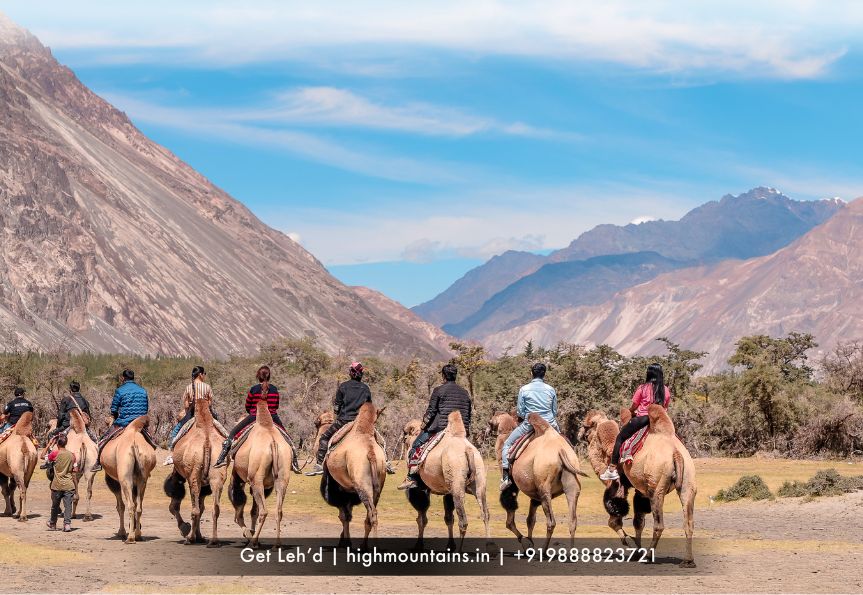
When people think about Offbeat Destinations in Ladakh, the first images that usually come to mind are the crystal-clear waters of Pangong Lake, the sand dunes of Nubra Valley and the breathtaking roads of Khardung La. But what if we told you that some of Ladakh’s most beautiful experiences lie beyond these popular tourist attractions?
Hidden between towering mountains, remote valleys and peaceful villages Offbeat Destinations in Ladakh waiting to be explored. From quiet lakes and ancient monasteries to culturally rich villages and extraordinary night skies, these lesser-known places offer experiences that go beyond the usual sightseeing itinerary.
For travellers who love adventure, photography, road trips and discovering places away from crowded tourist spots, exploring offbeat destinations in Offbeat Destinations in Ladakh can make an ordinary holiday truly unforgettable.
So, if you’re planning your next Himalayan adventure, here are 10 hidden gems in Offbeat Destinations in Ladakh that deserve a place on your travel bucket list.
Table of Contents
- Turtuk Village
- Hanle – A Paradise for Stargazing
- Tso Moriri – Beyond the Famous Pangong Lake
- Dha and Hanu – Discover a Unique Cultural Heritage
- Zanskar Valley – The Untouched Himalayan Wilderness
- Suru Valley – A Green Escape in the Mountains
- Lamayuru – The Mysterious Moonland
- Tso Kar – A Hidden Himalayan Lake
- Chumathang – Natural Hot Springs in the Himalayas
- Uleytokpo – A Peaceful Riverside Escape
1. Turtuk Village: A Beautiful Village with a Different Story
Located in the Nubra region near the India-Pakistan border, Turtuk is one of the most culturally fascinating villages in Offbeat Destinations in Ladakh.
Unlike the rugged landscapes commonly associated with Ladakh, Turtuk surprises visitors with green fields, apricot orchards, traditional stone houses and flowing streams. The village has a distinct Balti cultural identity, reflected in its language, food, architecture and local traditions.
Walking through its narrow lanes feels like stepping into a completely different world. Visitors can explore traditional homes, interact with local residents and enjoy beautiful views of the surrounding mountains.
Why visit? For its unique culture, apricot orchards, traditional village life and peaceful atmosphere.
2. Hanle: A Paradise for Stargazing
If you have ever wanted to witness a sky filled with countless stars, Hanle should be on your list.
Situated in the remote Changthang region of Ladakh, Hanle is famous for its extraordinary night skies and the Indian Astronomical Observatory. It is also home to India’s first Dark Sky Reserve, making it a remarkable destination for astronomy enthusiasts and astrophotographers.
Away from the bright lights of cities, Hanle offers a rare opportunity to experience the beauty of the Milky Way and the vast Himalayan night sky.
During the day, the surrounding landscapes offer a peaceful combination of mountains, open plains and traditional settlements.
Why visit? For stargazing, astrophotography, peaceful landscapes and an unforgettable night under the stars.
3. Tso Moriri: Beyond the Famous Pangong Lake
While Pangong Lake receives much of the attention, Tso Moriri offers an equally fascinating experience for travellers willing to explore farther.
Located on the Changthang Plateau, this beautiful high-altitude lake is surrounded by rugged mountains and vast open landscapes. Its calm waters reflect the changing colours of the sky, creating breathtaking views throughout the day.
The nearby village of Korzok offers a glimpse into the traditional lifestyle of the Changpa community, known for its pastoral traditions.
Tso Moriri is also an important habitat for migratory birds and other wildlife, making it particularly interesting for nature lovers.
Why visit? For its peaceful surroundings, beautiful lake views, wildlife and remote Himalayan atmosphere.
4. Dha and Hanu: Discover a Unique Cultural Heritage
The villages of Dha and Hanu, often associated with the Aryan Valley, offer a cultural experience different from many Offbeat Destinations in Ladakh.
Located along the Indus Valley, these villages are home to the Brokpa community, known for distinctive cultural traditions, traditional clothing, local festivals and agricultural practices.
The surrounding landscape features mountain slopes, green patches and traditional settlements that create a beautiful contrast against Ladakh’s otherwise rugged terrain.
Visiting these villages offers an opportunity to understand the region’s cultural diversity while appreciating the importance of respecting local customs and traditions.
Why visit? For cultural exploration, traditional village life, local heritage and photography.
5. Zanskar Valley: The Untouched Himalayan Wilderness
For travellers who love adventure and remote landscapes, Zanskar Valley is an extraordinary destination.
Located in the Kargil district, Zanskar is known for its dramatic mountains, deep valleys, traditional villages and ancient monasteries.
The region remains relatively remote compared with the popular Leh-Nubra-Pangong circuit. Its isolation is part of what makes it so special.
One of its most famous experiences is the Chadar Trek, a challenging winter expedition across sections of the frozen Zanskar River when conditions permit.
Visitors can also explore traditional settlements, discover monasteries and experience the peaceful lifestyle of the region.
Why visit? For remote Himalayan landscapes, trekking, adventure and authentic village experiences.
6. Suru Valley: A Green Escape in the Mountains
If you think Offbeat Destinations in Ladakh is only about barren mountains and cold deserts, Suru Valley might change your perspective.
Located in the Kargil region, Suru Valley is known for its green fields, beautiful villages, flowing rivers and impressive views of the Nun-Kun mountain peaks.
The contrast between fertile landscapes and towering snow-covered mountains makes it one of the most visually striking regions in this part of Ladakh.
Places such as Sankoo and Panikhar offer opportunities to experience local life and explore the valley at a slower pace.
Why visit? For scenic mountain views, green landscapes, peaceful villages and photography.
7. Lamayuru: Explore the Mysterious Moonland
Lamayuru is famous for its unusual landscape, often referred to as the Moonland of Ladakh.
Its fascinating rock formations and eroded hills create a landscape that looks almost otherworldly. The area is also home to the historic Lamayuru Monastery, one of the region’s important Buddhist religious centres.
The combination of ancient architecture, mountain scenery and unusual geological formations makes Lamayuru a wonderful stop for travellers interested in photography, history and culture.
The views become particularly beautiful when sunlight creates shadows across the unique terrain.
Why visit? For its Moonland landscape, ancient monastery, cultural heritage and stunning photography opportunities.
8. Tso Kar: A Hidden Himalayan Lake
For those looking to explore Ladakh beyond its famous lakes, Tso Kar offers a quieter and more remote experience.
Located on the Changthang Plateau, Tso Kar is a high-altitude salt lake surrounded by mountains, open grasslands and white salt deposits along parts of its shoreline.
The region is especially interesting for birdwatchers and wildlife enthusiasts. It is also associated with the nomadic Changpa community, whose traditional lifestyle adds another dimension to the journey.
Unlike more frequently visited destinations, Tso Kar offers a sense of isolation and tranquillity that makes the drive worthwhile.
Why visit? For birdwatching, unique landscapes, salt flats and a peaceful high-altitude experience.
9. Chumathang: Natural Hot Springs in the Himalayas
Imagine discovering natural hot springs in the middle of a cold Himalayan landscape. That’s what makes Chumathang such an interesting stop.
Located along the Indus River on the route towards the Changthang region, Chumathang is known for its geothermal hot springs.
The surrounding landscape features mountains, river views and traditional settlements. It offers a different experience from the lakes and monasteries that usually dominate Ladakh itineraries.
Chumathang can also be included as a stop while travelling towards Tso Moriri, depending on road conditions and the itinerary.
Why visit? For natural hot springs, riverside scenery and a different side of Ladakh.
10. Uleytokpo: A Peaceful Riverside Escape
Located along the Indus River between Leh and Kargil, Uleytokpo is a peaceful destination that many travellers overlook while following the usual Ladakh circuit.
Surrounded by mountains and natural landscapes, this area is known for its riverside accommodation, scenic surroundings and relaxed atmosphere.
It is also a convenient base for exploring nearby attractions such as Alchi Monastery and the Sham Valley region.
If you prefer slow travel, beautiful landscapes and peaceful evenings away from busy tourist centres, Uleytokpo is worth considering.
Why visit? For riverside stays, nature walks, nearby monasteries and a relaxed Himalayan experience.
Best Time to Explore Offbeat Destinations in Ladakh
The best time to explore most offbeat destinations in Ladakh is generally between May and September, depending on weather, road conditions and the accessibility of individual routes.
- May to June: A good period to begin exploring accessible destinations as seasonal road connectivity improves.
- July to August: Suitable for many road trips, village visits and high-altitude lake excursions, subject to local conditions.
- September to October: Offers beautiful autumn landscapes and potentially fewer visitors, although temperatures drop and some routes may become less accessible.
- November to February: Winter brings snow-covered landscapes and specialised adventures, but many remote routes and accommodations may be unavailable.
Always confirm local road conditions, weather advisories and accommodation availability before travelling.
Important Tips Before Exploring Hidden Gems in Ladakh
Offbeat travel is exciting, but remote Himalayan destinations require thoughtful preparation.
- Acclimatise properly: Spend at least 48 hours in Leh after arrival before travelling to higher-altitude areas.
- Check permits and permissions: Some sensitive border-region destinations have additional access requirements. Verify the latest rules before departure.
- Travel responsibly: Respect local communities, religious traditions and environmentally sensitive areas.
- Carry essentials: Keep warm clothing, medicines, drinking water and basic supplies.
- Plan transportation carefully: Remote roads can be challenging, so choose suitable vehicles and experienced drivers.
- Keep flexible travel dates: Weather and road conditions can change quickly in the mountains.
Remember, exploring Ladakh responsibly is just as important as enjoying its beauty.
Final Thoughts: Discover the Ladakh Beyond the Usual Tourist Trail
Ladakh is much more than Pangong Lake, Nubra Valley and famous mountain passes. Its real charm often lies in the quiet villages, unexplored valleys, peaceful lakes and cultural experiences waiting beyond the usual tourist routes.
From watching the Milky Way in Hanle to discovering the unique traditions of Turtuk, every offbeat destination offers a different reason to fall in love with the Himalayas.
So, if you’re planning your next Ladakh adventure, consider exploring a little farther, travelling a little slower and discovering places that most travellers miss.
At High Mountains, we believe the best journeys are not always about following the most popular routes. They are about discovering new places, meeting different people and collecting experiences that stay with you forever.
Step beyond the ordinary and explore the hidden side of Ladakh with High Mountains!
Frequently Asked Questions (FAQs)
1. What are the best offbeat destinations in Ladakh?
Hanle, Turtuk, Tso Moriri, Tso Kar, Dha-Hanu, Zanskar Valley, Suru Valley, Lamayuru, Chumathang and Uleytokpo are excellent options for exploring a different side of Ladakh.
2. What is the best time to visit offbeat places in Ladakh?
May to September is generally suitable for many offbeat destinations, although accessibility depends on local weather and road conditions.
3. Is Hanle worth visiting in Ladakh?
Yes. Hanle is particularly popular among stargazing enthusiasts and travellers interested in remote landscapes and dark-sky experiences.
4. Can I visit Tso Moriri and Hanle on the same Ladakh trip?
Yes, they can be combined in a carefully planned itinerary, subject to route conditions, acclimatisation, available accommodation and current access permissions.
5. Are offbeat destinations in Ladakh suitable for first-time travellers?
Some destinations, such as Lamayuru and Uleytokpo, can be easier to include in a first trip. More remote places such as Hanle, Tso Moriri and Zanskar require additional planning and preparation.
6. Do I need permits to visit offbeat destinations in Ladakh?
Certain border and protected areas have specific entry requirements. Check the latest official permissions and applicable fees before travelling.